
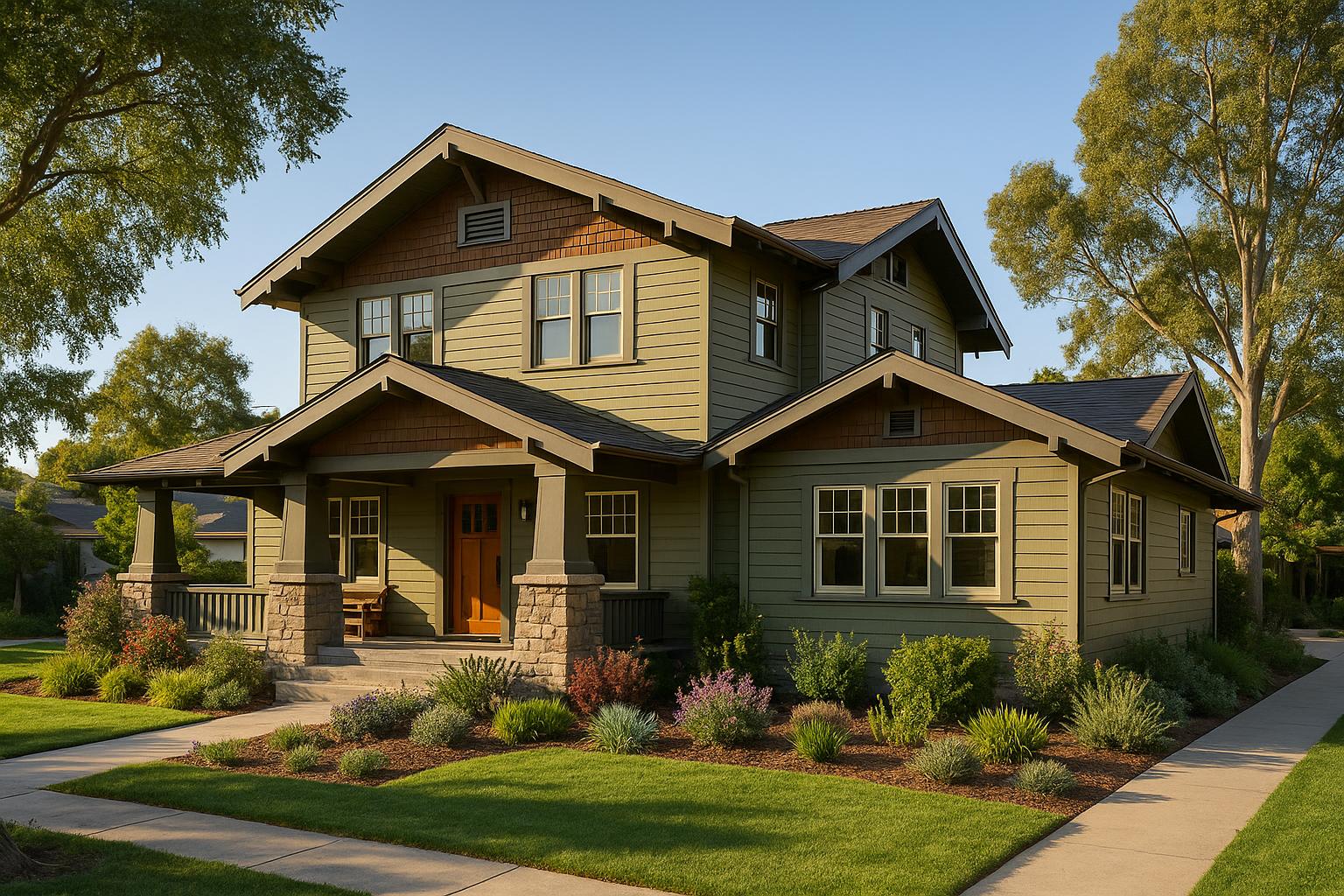
Why Home Additions Are Booming in San Diego
San Diego homeowners love where they live — the weather, the neighborhoods, the proximity to the coast. But as families grow and lifestyles change, many find themselves needing more space without wanting to leave the community they've built their lives around. That's why home additions have become one of the most popular remodeling projects across neighborhoods like Mission Hills, Clairemont, and Point Loma.
A well-planned home addition can give you the extra bedroom, expanded living area, or dedicated home office you need — all while increasing your property value. But the planning phase is where most homeowners either set themselves up for success or stumble into costly mistakes. Here's how to do it right.
Step 1: Define What You Actually Need
Before you start browsing Pinterest or calling contractors, take time to clearly define the problem you're solving. Are you adding a bedroom because your family is growing? Do you need a ground-floor primary suite for aging-in-place? Is your kitchen too small to function for the way you actually cook and entertain?
Write down your must-haves versus your nice-to-haves. This distinction becomes critical later when budget decisions come into play. A clear vision from the start prevents scope creep — that sneaky phenomenon where a simple addition balloons into a full-scale renovation because every new idea sounds exciting in the moment.
Step 2: Understand San Diego's Permitting Process
One of the biggest surprises for homeowners tackling their first addition is the permitting process. In San Diego, any structural addition to your home requires permits from the city's Development Services Department. This includes plan reviews, structural engineering approvals, and inspections at multiple stages of construction.
Here's what you should know upfront:
- Zoning regulations dictate how much of your lot you can build on, how tall your addition can be, and how far it must sit from property lines.
- Coastal overlay zones apply to areas like Ocean Beach and Pacific Beach, adding an extra layer of review for properties near the coast.
- Historic district rules may affect homes in neighborhoods like Mission Hills, where exterior changes need to respect the architectural character of the area.
- Permit timelines in San Diego can range from a few weeks to several months depending on the complexity of your project and current city workloads.
Working with a remodeling company that has deep experience navigating San Diego's specific permitting landscape can save you months of delays and unexpected revisions.
Step 3: Set a Realistic Budget (and Add a Cushion)
Home additions in San Diego typically range from $200 to $500 per square foot, depending on the complexity of the build, the finishes you choose, and site-specific factors like slope, soil conditions, or the need to upgrade existing systems like electrical or plumbing.
A few budgeting tips that experienced homeowners swear by:
- Get detailed estimates, not ballpark figures. A reputable contractor will walk through every line item with you so there are no surprises.
- Budget a 10-15% contingency. Even the best-planned projects encounter unexpected conditions — an outdated electrical panel that needs replacing, or soil that requires additional foundation work.
- Prioritize structural and mechanical quality over cosmetic upgrades. You can always upgrade countertops or fixtures later, but the framing, insulation, and systems need to be done right the first time.
- Consider financing early. Home equity loans, HELOCs, and construction loans are common ways to fund additions. Talk to your lender before finalizing your scope so you know exactly what you can afford.
Step 4: Choose the Right Design Approach
Your addition should feel like it was always part of your home — not an awkward afterthought bolted onto the side. This is where thoughtful design makes all the difference.
Match the Existing Architecture
Rooflines, window styles, exterior materials, and proportions should all flow naturally from the original structure. A skilled designer will study your home's existing character and create an addition that enhances it rather than competing with it.
Think About Flow and Function
How will you move between the existing house and the new space? Poorly planned transitions — awkward hallways, mismatched floor levels, or rooms that feel disconnected — can undermine the entire investment. The best additions improve the flow of your whole home, not just the new square footage.
Maximize Natural Light
San Diego gets over 260 sunny days a year. Your addition should take full advantage of that. Strategic window placement, skylights, and glass doors can make new spaces feel open and connected to the outdoors — something that's especially valuable in neighborhoods close to the coast.
Step 5: Hire the Right Team
The contractor you choose will have more impact on your experience than almost any other decision. Here's what to look for:
- Licensed and insured. This is non-negotiable in California. Verify their license through the Contractors State License Board.
- Local experience. A contractor who regularly works in San Diego understands the city's permitting quirks, common building conditions, and neighborhood-specific considerations.
- Design-build capability. Companies that handle both design and construction under one roof tend to deliver smoother projects because there's no finger-pointing between separate architects and builders.
- Clear communication. During your initial consultations, pay attention to how well they listen, how thoroughly they answer your questions, and whether they proactively address potential challenges.
- References and portfolio. Ask to see completed projects similar to yours and talk to past clients about their experience — not just the finished product, but the process itself.
Step 6: Prepare Your Household for Construction
Even the most efficiently run addition project will disrupt your daily routine for a period of time. A little preparation goes a long way:
- Set up a temporary living arrangement for any rooms that will be directly affected.
- Talk to your neighbors about the upcoming work — a heads-up about noise and construction vehicles builds goodwill.
- Establish a single point of contact with your contractor so communication stays organized.
- Keep pets and children safe by understanding where construction zones will be and when workers will be on-site.
Most homeowners find that the disruption is far more manageable than they feared, especially when they're working with a team that respects their home and keeps the site clean and organized.
The Payoff Is Worth the Planning
A home addition is one of the most significant investments you can make in your property — and in your quality of life. When it's done well, you get the space you need in the neighborhood you love, with a home that feels more complete than ever.
The key is putting in the planning work upfront. Define your needs, understand the local requirements, set a honest budget, invest in good design, and choose a team you trust. Do those things, and the construction phase becomes the exciting part — watching your vision come to life, one wall at a time.
If you're considering a home addition in San Diego and want to talk through your options with a team that handles every detail from design through construction, Sovereign Home Extensions is here to help. We'd love to hear what you're dreaming up.